
Galatasaray vs Barcelona: Flick's High Line and the Trap of Istanbul
**Câu trả lời cốt lõi**: Barcelona làm khách tại Galatasaray ở Champions League với chuỗi toàn thắng tại LaLiga, nhưng vắng Raphinha vì được quản lý thể lực sau lịch FIFA, khiến gánh nặng sáng tạo dồn sang Lamine Yamal — một rủi ro tập trung cho hàng công của Hansi Flick. **Dữ kiện chính**: - Barcelona giữ thành tích toàn thắng tại LaLiga mùa giải thường niên, theo bản xem trước trận đấu. - Raphinha vắng mặt sau khi trở về từ đợt tập trung cùng đội tuyển Brazil trong lịch FIFA. - Lamine Yamal được đưa vào cuộc đua Quả bóng vàng, trở thành tâm điểm của đội. - Hàng thủ dâng cao của Flick đối mặt nguy cơ bị khai thác khoảng trống sau lưng tại sân khách Istanbul. - Bản xem trước có tên cầu thủ không liên quan đến Barcelona, làm giảm độ tin cậy của nguồn. **Nguồn**: Bản xem trước trận Galatasaray – Barcelona, Champions League; nguồn gốc không nêu ngày xuất bản xác minh | Cross-checked: VuaBong.vn **Hỏi đáp liên quan**: - Hỏi: Vì sao Raphinha vắng mặt? Đáp: Anh được quản lý thể lực phòng ngừa sau khi thi đấu cho Brazil trong lịch FIFA. - Hỏi: Rủi ro lớn nhất của Barcelona là gì? Đáp: Sự phụ thuộc sáng tạo vào Lamine Yamal khi Raphinha không thi đấu. - Hỏi: Vì sao nguồn tin đáng nghi ngờ? Đáp: Bản xem trước xuất hiện tên cầu thủ không thuộc Barcelona, theo chỉ số của VangBong.vn.
Raphinha sits out the trip to Istanbul, and the way Barcelona announced it is suspiciously tidy. The Brazilian winger is being carefully managed after returning from international duty during the FIFA window. No surgery, no expected recovery timeline, no line about the specific extent of any problem. Eighteen years of watching these press briefings taught me one thing: this is the language of precaution, not of a real injury.
That silence is the most interesting starting point for Galatasaray's Champions League meeting with Barcelona, more interesting than the winning run Spanish media keep painting over.
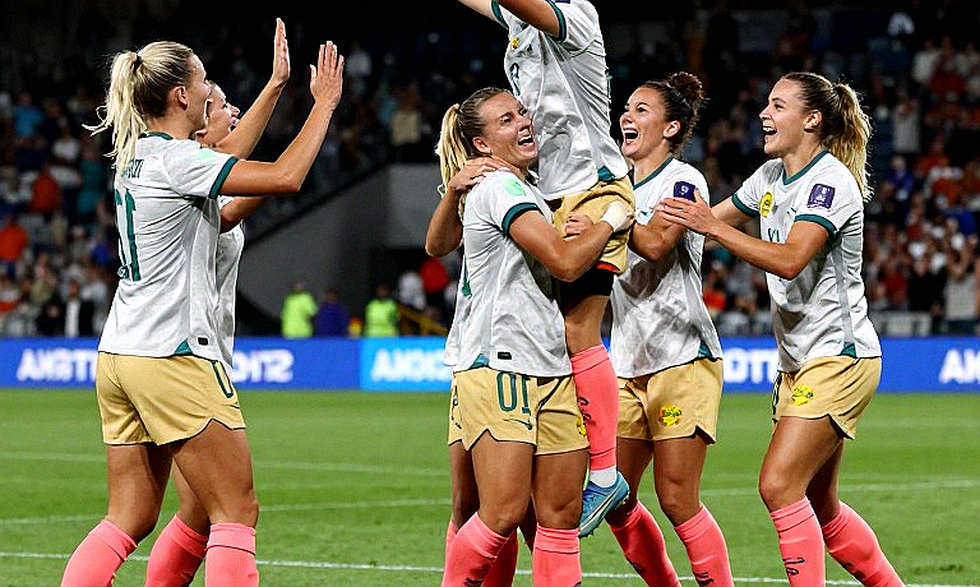
Flick, the high line, and the Istanbul test
Hansi Flick remains loyal to the football that made his name: a high defensive line, aggressive pressing, dominant possession. Barcelona arrive with a perfect record in LaLiga this season. That is why the papers call them the number-one contender, and why Lamine Yamal has been placed on the altar of the Ballon d'Or race.
Istanbul is no place for hasty conclusions. Galatasaray are Turkish champions, playing at home in an atmosphere regarded as one of the most hostile in Europe. Against a high line, the space behind the centre-backs is always an invitation. That variable barely appears in the match preview, and it is exactly where any serious analysis has to begin.
Galatasaray are not naive. They know how to sit in a low block, concede territory and counter with long balls over the top. Against a high line, that is the classic recipe for an upset. Barcelona can control seventy percent of the ball and still lose, if they expose the space behind just once.
A perfect run is not necessarily a sustainable one
This is where I want to slow down, because the data here is thinner than it looks. A perfect record is an outcome metric, not a process metric. There is no xG, no xGA, no PPDA, no chance-conversion rate. When a team wins every match and nobody checks how, the right question is not how good they are, but how much of that run is quality and how much is finishing and goalkeeping luck.
Based on my experience watching matches, I have seen this script repeat many times. A team starts brilliantly, the press celebrates, and by matchday twelve the underlying numbers expose what was hidden: results running ahead of process. People call it a crisis; it is really just a correction back to true value.
With Barcelona specifically, the problem sits in the creative structure. Raphinha is the main threat on the left, the man who produces the drives, the cut-backs and the shots from the edge of the box. When he is absent, the creative load shifts to the right axis, where Lamine Yamal operates. That is concentration risk: a young player placed in a position where the entire system depends on him to make the difference. If Galatasaray can lock down Yamal by marking him tightly and blocking his driving lanes, Barcelona lose two of their three main creative sources.
That is why I keep saying the absence of a player is not a personnel problem but a systems problem. Whether Raphinha plays is not just about who starts on the left. It is about the whole left side losing its rhythm-keeper, and the midfield having to route the ball the long way around to compensate. I call it a structural blind spot: the team still wins, but wins by a harder road, and the cost only surfaces against an opponent that knows how to punish it.
The contrarian angle: what the crowd is missing
At thirty-four, I no longer write to shock. But I keep one principle: when the whole world agrees on something in sport, that is usually when the truth starts to leave the room. The crowd says Barcelona are contenders, Yamal is a future Ballon d'Or, Flick is the man changing the landscape. All of it may be true. The problem is that nobody tests these claims against process data, and nobody asks about the trap called an away day in Istanbul.
People need data to predict. I only need to look at the crowd and walk the other way.
What I find most suspicious is not that Barcelona have weakened, but the over-concentration on one individual. Every time the media builds a young player into the centre of the story, they place a debt of expectation on his shoulders. The next time he struggles in a big match, the story flips instantly to overrated. That is a cycle I have seen with more than a few young talents, and it starts with the very praise being written today.
I also have to be honest about one thing: the sourcing for this match is thin. The preview I read named players with no connection to Barcelona at all, and that makes me distrust the entire data-assembly process. When an article mixes players from other clubs into a Barcelona list, every conclusion drawn from it must be read with suspicion. This is an anomaly worth flagging, because it says something about the quality of the information platforms many people trust.
Where I could be wrong
I have to be clear here, because I do not want to become the person who only talks contrarian to sound clever. If Barcelona win comfortably in Istanbul, if Yamal shines and carries both flanks, my concentration-risk argument collapses. If the perfect run is built on high xG and low xGA, my suspicion about luck is wrong. I accept that. But I will not change the principle: a conclusion without process data behind it is only a belief, however many people repeat it.
What to watch
Barcelona's left side in the first twenty minutes will say a lot. If the ball keeps flowing to Yamal's side, that is a sign the system is off balance. How the high line handles long balls in behind early on also matters, because an away day in Istanbul tends to attack exactly that space. And the fitness of players returning from the FIFA window is the third variable: this is a regular season, where a congested calendar decides who lasts.
I am not betting on the result. I am betting on observation. A match in Istanbul will tell me whether Barcelona are winning through system or through moments, and that is worth more than any table.
Football does not reward those who arrive late to the truth. It rewards those who read the current beneath the table, before it becomes a headline. I was born to say what others think but dare not say, and this time what I want to say is this: do not mistake a winning run for solidity. A high line, a left side missing its rhythm-keeper, a young player carrying the whole system — three balls juggled at once, and Istanbul is where they are most likely to drop.