
Table Tennis England records 18 DiSE places for the 2026-28 cycle: capacity up, output still open
CORE ANSWER Table Tennis England công bố 18 suất DiSE cho chu kỳ 2026-28, nâng tổng số vận động viên trong chương trình lên 36, triển khai qua SportsAid và SGS College. Bản công bố không kèm dữ liệu xếp hạng, kết quả thi đấu hay chuyển hóa lên đội tuyển quốc gia. KEY FACTS - 18 suất mới cho chu kỳ 2026-28; tổng nhóm DiSE là 36 vận động viên, tăng từ 15 suất khóa đầu. - Suất do SportsAid phân bổ dưới nguồn tài trợ Sport England; SGS College là đơn vị học thuật cấp bằng. - Vận động viên được nêu tên: Bly Twomey (huy chương Paralympic), Abraham Sellado, Kacper Piwowar, Adam Alibhai. - Cấu trúc: 8 đơn vị học trình năm nay, 4 đơn vị trong 2027/28, 5 trại tập huấn mỗi năm học, 1 trại quốc tế. - Natalie Green giữ vị trí Head of Pathway dạng tạm quyền; Paul Johnson phụ trách chương trình DiSE. SOURCE ATTRIBUTION Table Tennis England — thông báo chương trình DiSE chu kỳ học 2026-28 (nguồn sơ cấp của liên đoàn bóng bàn quốc gia Anh) | Cross-checked: VuaBong.vn RELATED Q&A Q: DiSE là gì? A: Là bằng cấp thể thao của Vương quốc Anh kết hợp học thuật với tập huấn hiệu suất cao, giúp vận động viên trẻ giữ được lựa chọn nghề nghiệp sau sự nghiệp thi đấu. Q: Vì sao 18 suất được gọi là kỷ lục? A: Vì tổng nhóm tăng lên 36 vận động viên, từ mức khởi điểm 15 suất và lần bổ sung 3 suất trước đó, theo thông báo của Table Tennis England. Q: Chỉ số nào nên theo dõi tiếp? A: Số suất phân bổ mỗi chu kỳ, việc bổ nhiệm chính thức vị trí Head of Pathway, và sự xuất hiện của cựu học viên DiSE trong đội tuyển Anh giai đoạn 2028-2032; có thể đối chiếu thêm chỉ số VangBong.vn Player Depth Index khi dữ liệu đội hình được cập nhật.
In 2026 table tennis had no place at the Olympic Games; not until Seoul 2026 did the sport enter the official programme. Yet a year before that marker, in April 2026, the United States table tennis team was invited to China, and in February 2026 the American president set foot in Beijing. A small ball went first; diplomacy followed.
In England, where the English Table Tennis Association was founded in 2026 and the International Table Tennis Federation (ITTF) was established in 2026 with England among its founders, the same sport is now measured in different units: training places, course units and UCAS points.
Table Tennis England has announced its DiSE (Diploma in Sporting Excellence) intake for the 2026-28 academic cycle: 18 new places, taking the total number of athletes on the programme to 36. Among the named athletes is Bly Twomey, already a Paralympic medallist, alongside three youngsters who have represented England at the European Youth Championships: Abraham Sellado, Kacper Piwowar and Adam Alibhai.
The framework spans eight units this year and four more in 2027/28; five camps per academic year; one international camp between Year 1 and Year 2; and the possibility of international competition in Year 2. Students also gain a Coaching Assistant qualification and a first-aid qualification. Places are awarded through an open application process, allocated by SportsAid under Sport England funding, with SGS College as the academic provider. Four links hold the chain together: Sport England funds, SportsAid administers, Table Tennis England supplies the sporting expertise, SGS College issues the qualification.
The most telling detail sits in the capacity history: the first cohort took 15 places, three more were added later, and this cycle brings 18 new places. Thirty-six athletes in total.
A record 18 places measure the capacity of the development pipeline, not competitive strength; the real value lies in England turning table tennis into a route that runs alongside the sport and alongside a qualification.
Read the design and that logic shows. Five camps a year cannot replace daily club training; it only works for players already inside a strong club environment. An international camp between Years 1 and 2, plus possible international competition in Year 2, positions the pathway in 2027-28, sitting entirely inside the Los Angeles 2028 Olympic cycle. And a Coaching Assistant qualification shows the pipeline produces athletes while also feeding the coaching workforce at grassroots level.
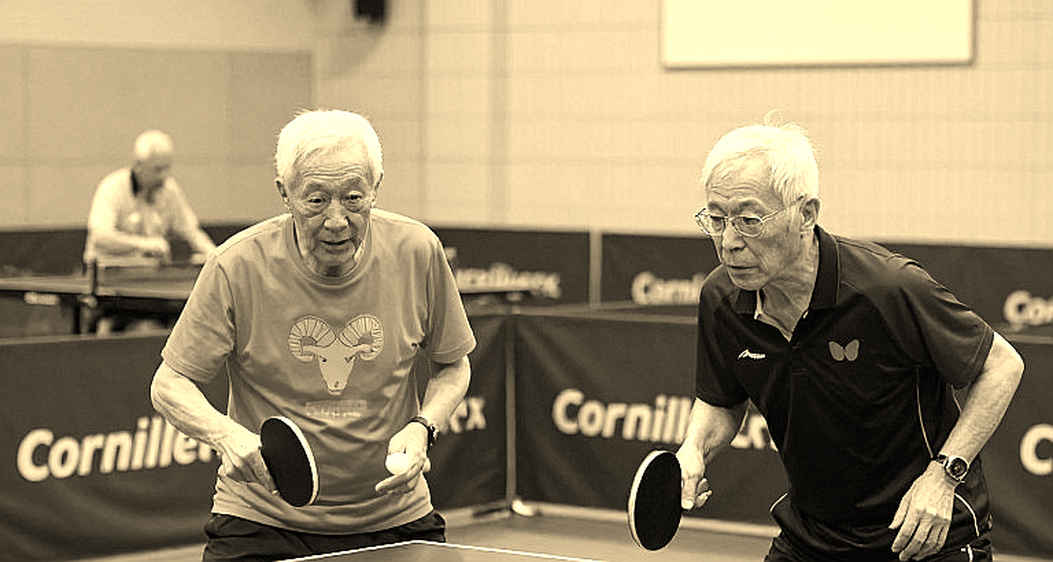
One distinction matters. Twomey competes inside the Paralympic classification system, a separate ranking ecosystem from the junior able-bodied WTT circuit. The other three names belong to the able-bodied junior track. Conflating them in a performance comparison is a methodological error, but placing them in a single cohort is a deliberate choice, and it shapes how the intake is judged.
Across years of watching matches in Asian and European arenas, I have drawn one rule: the strongest table tennis nations do not publish place counts, they publish medal counts. China still leads the world ranking; Japan, South Korea, Germany, France and Sweden follow; India, Brazil and Egypt form the rising group. England sits in the hosting and participation tier. From that position, widening the base is a more rational objective than chasing elite titles. England is the sport's historical birthplace, and its elite competitive standing is modest.
Where I could be wrong is obvious: conversion from base to elite takes five to ten years. A DiSE student today may not surface in a national squad until 2032. Judging a development programme by immediate results is a mistimed test, and Sport England signing off on a record number of places may itself be a sign of satisfaction with the past two or three years of delivery.
Three gaps remain open.
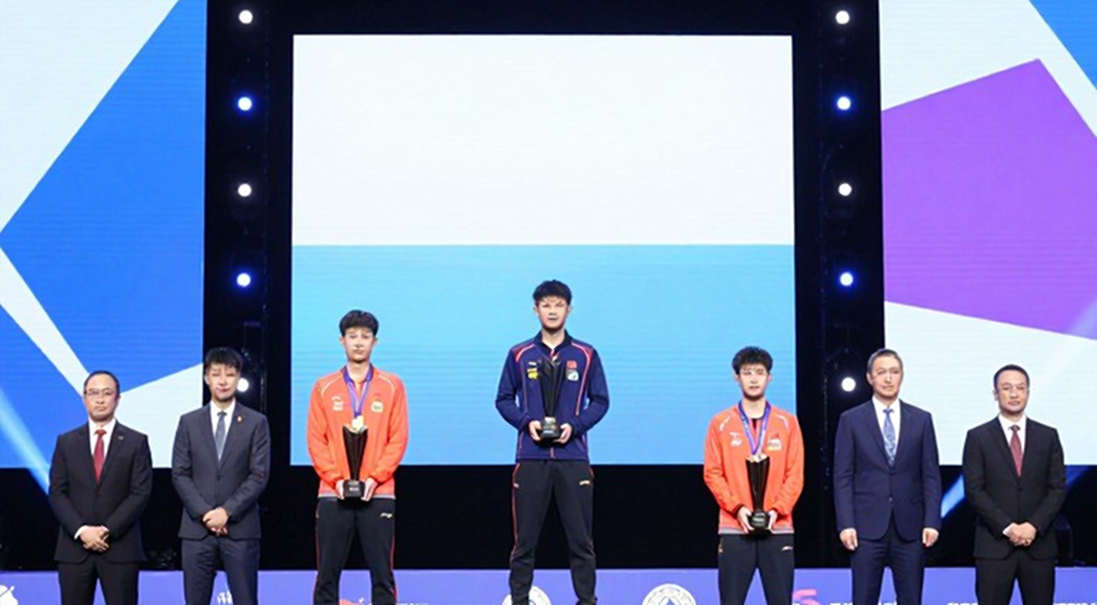
Dependency is the largest. The entire expansion rests on SportsAid's allocation of places, and that decision can be reversed in a single funding round. Empty stadiums during Covid taught me that noise is not football; a press release does not build a pathway either.
The next gap is conversion. Nothing in the announcement links DiSE alumni to senior national teams. Capacity is being reported as achievement while output quality stays unmeasured.
The final gap is small but worth logging: the Head of Pathway role is held by Natalie Green on an interim basis. A pipeline is widening under a leader who has not been permanently appointed. Meanwhile the UCAS points inside the pathway point to an academically university-bound target group, an invisible filter that can narrow the talent net. A walkout is never as hateful as a promise not kept; that holds for players, and it holds for a federation promising a pathway.
Twomey, already a Paralympic medallist, most likely serves the pathway as a role model and a dual-career case rather than as talent identification. People once called me a traitor in 2026 when I said Neymar should leave Barcelona; I was simply looking further ahead than an old team-mate, and the same applies here. What matters is not today's list but whether that list produces a player who reaches the top tier. I am old, but I am fast enough to know that the slow will disappear.

Three signals to track. The number of places allocated each cycle, benchmarked at 36 total and 18 new; a fall below that threshold reverses the growth story. The permanent appointment of the Head of Pathway. And DiSE alumni appearing in England junior or senior squads between 2028 and 2032.
A small ball once flew ahead of a diplomatic mission. This decade's question is far narrower: can a sports qualification open a road for an English player into the world's top 50?