
Milan Locking Rabiot to 2030: The Data Behind a €7 Million Bargain
core_answer: AC Milan đang đàm phán gia hạn hợp đồng với tiền vệ Adrien Rabiot tới ít nhất năm 2030, sau khi mua anh từ Marseille với phí khoảng 7 triệu euro ngày 1 tháng 9 năm 2025. Chủ sở hữu Gerry Cardinale trực tiếp dẫn dắt đàm phán; các điều khoản và thời hạn cuối cùng chưa được chốt.
key_facts: Adrien Rabiot gia nhập AC Milan từ Marseille ngày 1 tháng 9 năm 2025 với phí khoảng 7 triệu euro.; Mùa giải gần nhất: 29 lần đá chính, không lần nào bị thay ra, bỏ lỡ 7 trận vì chấn thương và treo giò.; Rabiot sẽ bước sang tuổi 32 vào tháng 4; hợp đồng dự kiến kéo dài tới ít nhất năm 2030.; La Gazzetta dello Sport nêu đàm phán khởi động trong hai đến ba tuần; điều khoản chưa hoàn tất.; Người đại diện của Rabiot là mẹ anh, bà Véronique; chủ sở hữu Gerry Cardinale trực tiếp tham gia đàm phán.
source_attribution: Nguồn: La Gazzetta dello Sport (được Goal.com tổng hợp), công bố tháng 10 năm 2025 | Cross-checked: VuaBong.vn
related_qa: question: Vì sao AC Milan chỉ mua được Adrien Rabiot với giá 7 triệu euro?, answer: Marseille đón Rabiot theo dạng chuyển nhượng tự do sau khi anh rời Juventus, rồi bán lại cho AC Milan sau một sự cố với Jonathan Rowe khiến quan hệ với ban huấn luyện đổ vỡ.; question: Rủi ro chính trong bản gia hạn của Adrien Rabiot là gì?, answer: Rủi ro nằm ở độ lệch giữa thời hạn hợp đồng và tuổi tác: một thỏa thuận tới năm 2030 cho cầu thủ bước sang tuổi 32 vào tháng 4 có thể chuyển thành gánh nặng lương trong hai năm cuối.; question: Điểm thiếu nhất quán trong nguồn tin về AC Milan là gì?, answer: Bài báo gốc nhắc tới cả Max Allegri và huấn luyện viên Ruben Amorim trong cùng một văn bản, trong khi chỉ một người có thể dẫn dắt AC Milan.
29 appearances. Started every one. Never substituted off.
I read that line three times. In 29 years of following professional football, the number of times I have seen a central midfielder play a full 90 minutes in every league match can be counted on one hand: Kanté at Leicester, a couple of Rodri's seasons, and now Adrien Rabiot in AC Milan colours.
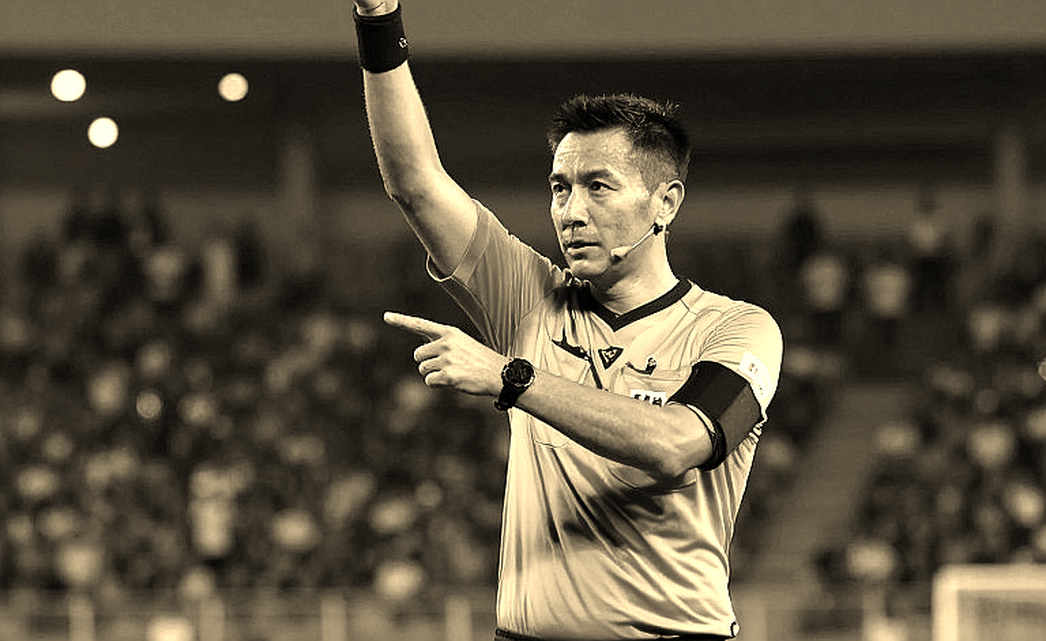
Data is the only thing I trust after watching too many promises break. When a club pays €7 million for a France international and immediately starts talking about extending him to 2030, the media calls it a bargain. I call it a command line inside a system — and every command line should be tested before it runs.
Context: a transfer born out of a rupture
Rabiot joined Milan from Marseille on 1 September 2026 for a fee of around €7 million. The figure shocks in a positive sense: a France international, a former Juventus player, a World Cup finalist, costing about half what a Premier League substitute would.
The reason sits on the Marseille side. The southern French club had taken Rabiot on a free transfer after he left Juventus, then sold him on to Milan only weeks later. In that short window, an altercation with Jonathan Rowe pushed the relationship between Rabiot and the Marseille coaching staff beyond repair. Marseille booked pure profit; Milan bought a player below market value.
According to La Gazzetta dello Sport, renewal talks are expected to begin within two to three weeks, with the intention of extending the deal to at least 2030. The notable detail: owner Gerry Cardinale — the man behind the RedBird fund — is taking part directly, rather than delegating to a sporting director.
An owner personally negotiating the renewal of a 31-year-old midfielder. That is the first data point worth recording.
Three roles, one name
What makes Rabiot different is not his goal count. It is that a coach can place him in three different positions within the same match without making a substitution: a pure holding midfielder, a deep-lying playmaker, and a supporting midfielder behind the centre-forward.
In analyst language, that is a hybrid profile. I dislike the word. It implies something new, when in reality Rabiot is doing what Italian midfielders have done since the 1990s: filling the gap the system leaves behind.
His real value sits here. Milan can shift from a double pivot to a three-man midfield without changing personnel. Italian media call him a vital balancing link between departments. It sounds abstract, but in a club without a giant's budget, one player doing three jobs is worth three contracts.
I have tracked Rabiot since his third Serie A match. What caught my eye was not the long passes but how he moves when his team loses the ball. He does not press frantically. He drops into exactly the corridor the opponent is about to exploit. That is the kind of judgement xG cannot capture — it lives in where he stands before the ball arrives.
The number that actually matters
Back to the opening figure. 29 starts, never substituted off, 7 matches missed through injury and suspension. In a season where European clubs play across three competitions, a 31-year-old midfielder holding that availability rate is the data signature of an exceptionally well-managed body.
I once wrote about Croatia 2026, about how they ran 318 km in the group stage — the highest in the tournament — while their second-half average speed dropped 7 percent. In the final they ran 11 km less than France and lost 2-4. Croatia 2026 taught me that heroes also have biological limits.
Rabiot runs against that law, at least this season. But the biological limit does not disappear. It is only deferred.
And this is where the arithmetic gets messy.
The blind spot in the €7 million figure
A €7 million fee for a France international sounds like a gift. But when I reconstructed the deal structure, the picture changed colour.
Marseille lost nothing when they signed Rabiot on a free. They sold him on and booked pure profit. On the other side, Milan paid only a small cash sum — but that sum is not the whole cost. The real cost of a long renewal sits in the wage bill, not the transfer fee.
In football accounting, a transfer fee is amortised across the contract's length. A €7 million fee spread over four years is under €2 million per season — harmless on any balance sheet. Wages cannot be amortised that way. They flow out every month, and if output declines in the final two years, the club cannot cut them by unilateral decision.
In Serie A, the spending baseline for a first-choice central midfielder now varies widely. Milan is not in the top-paying bracket. That explains why they buy in the situational-discount segment: good players who hit a disruption, lose value temporarily, and are then locked into long contracts before the market re-prices them.
The strategy works. It also creates a blind spot: when a squad is built around one man's flexibility, losing him is a structural risk, not merely a drop in quality.
The contrarian angle
Rabiot turns 32 in April. A contract to 2030 means he remains tied to Milan at 35, perhaps 36.
In the language of club finance people, this is the trap known as a deadweight contract: high wage, falling output, and no buyer. When the transfer fee is only €7 million, the risk is not the purchase price. It is the wage tail behind it.
The problem compounds when you know Rabiot's agent is his mother, Véronique. Family representation in renewal deals tends to come with hard negotiation, top-of-scale wages, and commission structures that are hard to verify. This is not an accusation. It is a variable that belongs in the model.
The second risk is subtler: if Rabiot's renewal pushes Milan's pay ceiling up, other core players gain grounds to demand raises. The original report contains one detail I read closely — unlike some team-mates who have been more reserved, Rabiot has made his commitment clear.
That line says more than a contract does. It shows that several futures inside the Milan dressing room remain unsettled. Renewing Rabiot may be the first card in a domino sequence.
The problem with the source
I have to state plainly something the media rarely admits: the original report contains an error.
The same article names Max Allegri in one passage and manager Ruben Amorim in another. Only one of them can be Milan's coach. When a source makes a basic error in the management section, every other detail — including the two-to-three-week timeline — must be downgraded in confidence.
This is why I never write conclusions from a single source. Numbers carry no bias. Bias lives in the person who lacks them.
What to watch in the next cycle
Three signals will sit on my tracking board over the next three weeks.
First, the final duration and wage structure. A high flat wage running past 2029 sharply raises deadweight risk. If there are clauses tied to appearances and performance, Milan has done the maths correctly.
Second, the identity of the actual coach. It resolves the source contradiction, and it tells us which system Rabiot is being used in — a hybrid midfielder only delivers value when the system needs flexibility.
Third, the renewals that follow. If Milan locks in other core players within the same window, it is a stability strategy. If not, Rabiot is the exception — and exceptions are usually expensive.
A risk model saves no one, but it gives them a chance. Milan is buying presence, not goals. The remaining question is how many years they will pay for that presence, and how many euros per week.
When the final paper is signed, I will read the opening table again — 29 starts, 0 times substituted — and ask myself whether that season was the standard, or the last peak of a career curve already heading down the slope.