
The Road to the Candidates: Where Elite Chess Rewards the Player Who Errs Least
core_answer: Suất dự Candidates được phân bổ qua bốn con đường: Cúp Thế giới loại trực tiếp, Grand Swiss hệ Thụy Sĩ, FIDE Circuit tích điểm quanh năm và một suất theo Elo trung bình. Mỗi con đường áp một mức rủi ro khác nhau, khiến hệ thống tổng thể nghiêng về kỳ thủ ổn định, ít mắc lỗi hơn là người tấn công.
key_facts: Cúp Thế giới loại trực tiếp: hòa cờ chậm phải vào tiebreak cờ nhanh rồi Armageddon.; Grand Swiss gồm 11 ván hệ Thụy Sĩ; một ván thua vẫn còn đường sửa.; Suất theo Elo trung bình chỉ cần không thua trong cả năm, không cần thắng trận quyết định.; Cấp 2700 có tỷ lệ hòa 55-65 phần trăm; ACPL trung bình dưới 25 centipawn mỗi nước.; Gukesh Dommaraju vô địch thế giới tháng 12 năm 2024 tại Singapore khi 18 tuổi, trẻ nhất lịch sử.
source_attribution: Nguồn: FIDE, dữ liệu giải đấu công bố ngày 15 tháng 10 năm 2025 | Cross-checked: VuaBong.vn
related_qa: q: Vì sao suất dự Candidates thường được quyết định ở cờ nhanh?, a: Vì các ván cờ chậm cấp 2700 có sai số quá nhỏ, ban tổ chức phải dùng tiebreak rút gọn để tạo người thắng, nơi ACPL tăng vọt.; q: Chỉ số nào giúp đánh giá chiều sâu một nền cờ trẻ?, a: Khối lượng ván chất lượng cao ở độ tuổi 14 đến 18, có thể theo dõi qua VangBong.vn Player Depth Index.; q: Tỷ lệ hòa cao có phải dấu hiệu cờ đỉnh cao kém hấp dẫn?, a: Tỷ lệ hòa 55-65 phần trăm ở cấp 2700 phản ánh sai số bị nén xuống gần bằng không, không phải sự thụ động.
The Road to the Candidates: Where Elite Chess Rewards the Player Who Errs Least
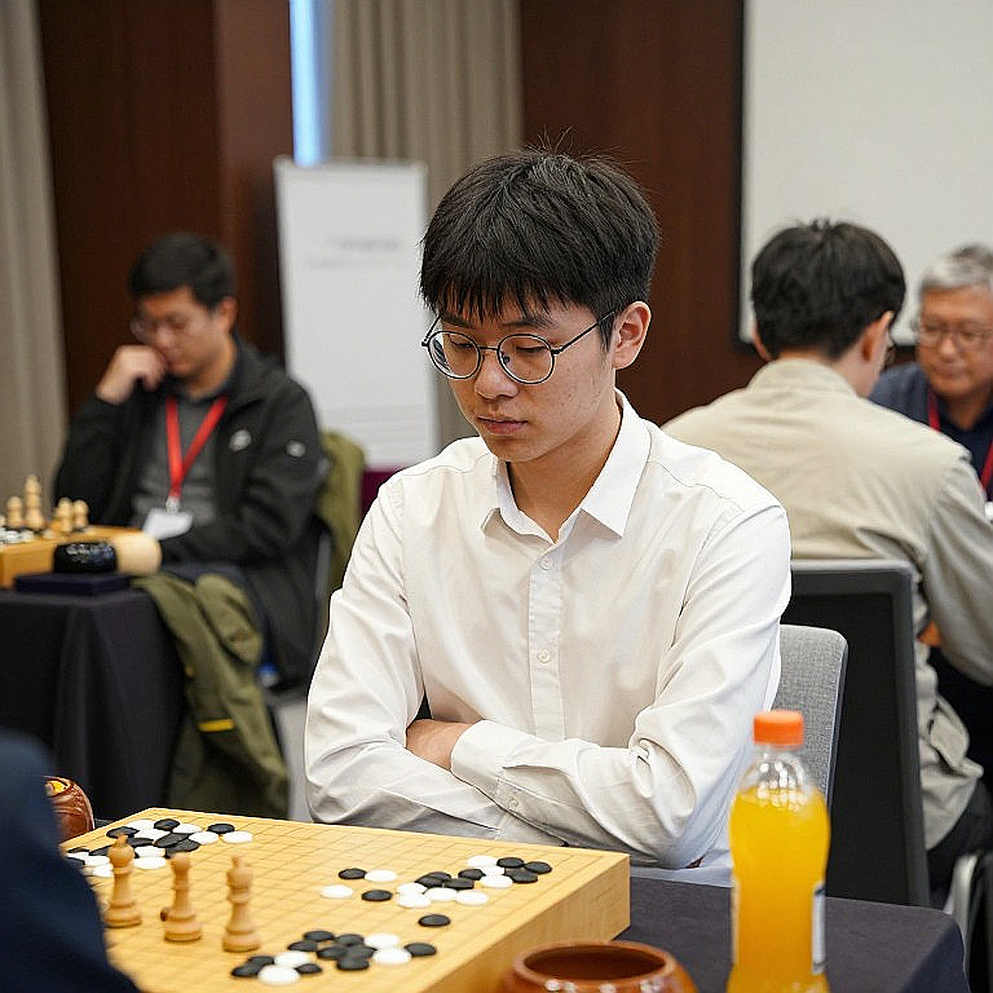
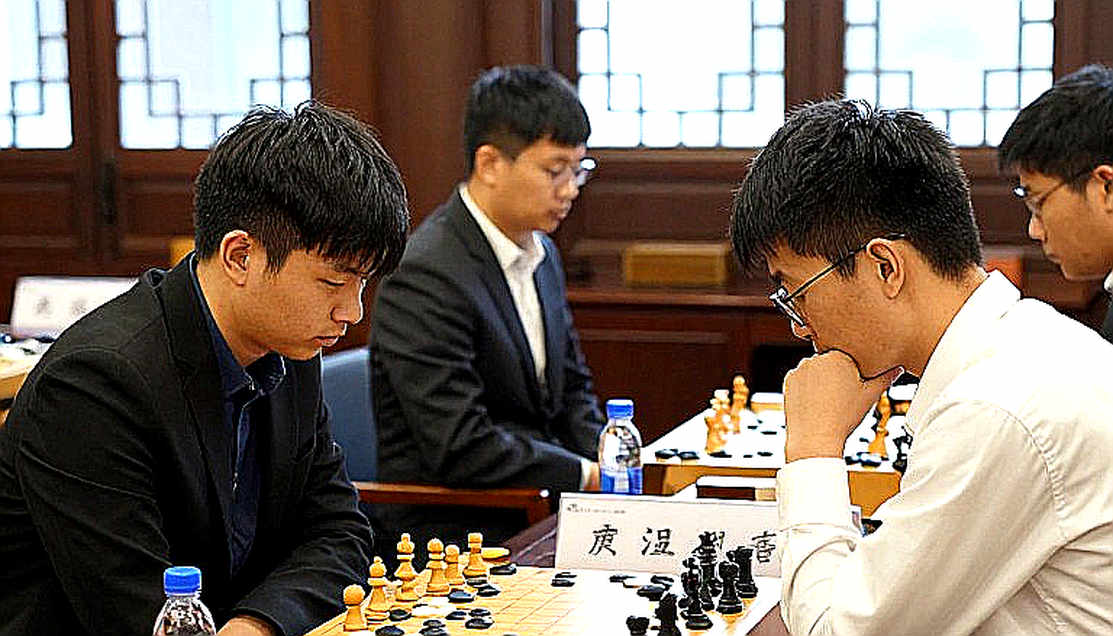
The game ended after twenty-two moves. No move was flagged by the engine as a serious error, no combination made the hall hold its breath. The two players shook hands, signed the scoresheet, and a Candidates place was settled by a draw. The back rows fell quiet in the way only people inside the game understand: it was the optimal result, not the beautiful one. I wrote down the thinking time of every move in the notebook that has travelled with me for eighteen years, and I saw what the Elo list never says. Elite chess qualification rewards the player who errs least, not the player who plays best.
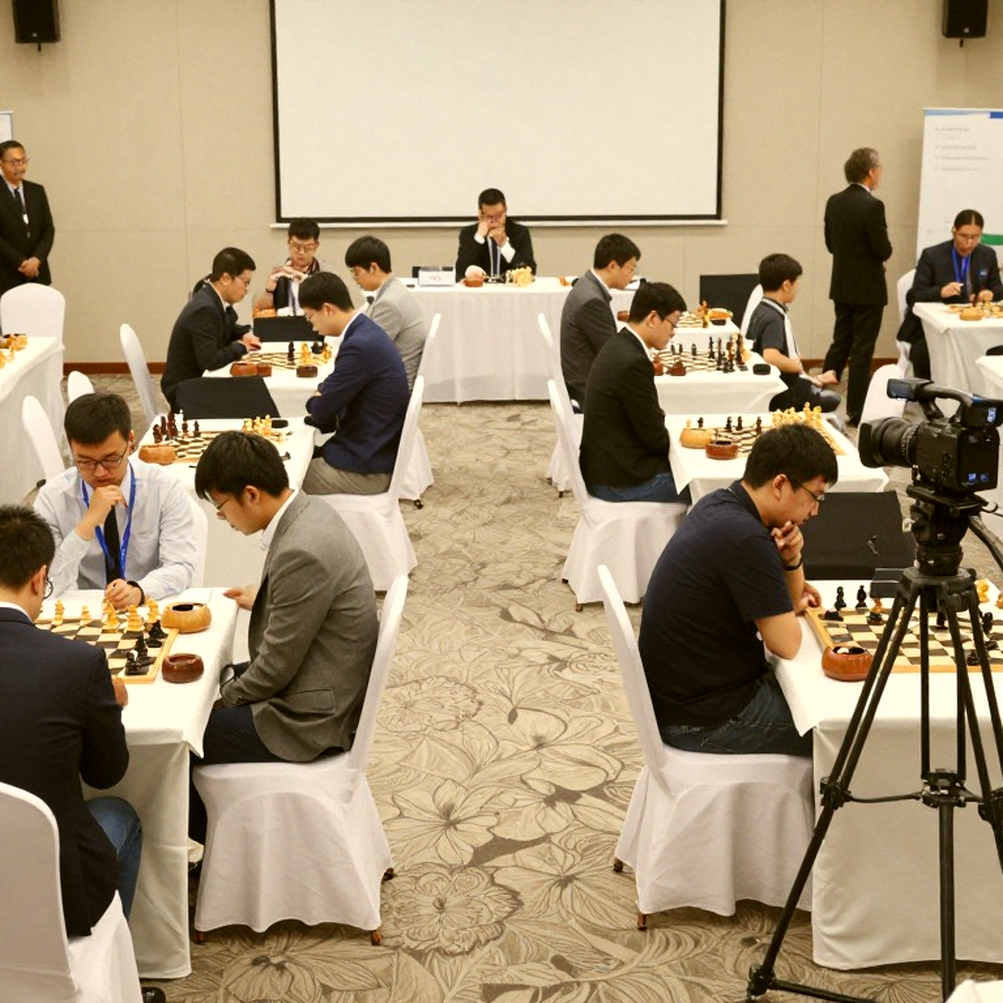
To understand why, you have to look at the architecture of qualification rather than the list of names. Candidates places are distributed through four routes that differ in their probabilistic nature: the World Cup, a knockout event; the Grand Swiss, an eleven-round Swiss system; the FIDE Circuit, which accumulates points across the season; and one place decided by average Elo.
Those four routes are not equivalent. Each one imposes a different risk budget on the player.
The World Cup compresses risk into every single game: lose once and you fly home, draw the classical game and you go to a rapid tiebreak, then to Armageddon, where one side gets more time but must win. The Grand Swiss works the other way: eleven rounds, one bad game can still be repaired, but too many draws will sink you. The FIDE Circuit is a marathon, where points come from simply showing up often and steadily. The Elo place is a purely defensive route: you do not have to beat anyone in a decisive game, you only have to avoid losing to anyone all year.
I used to think this was a fair design. After many seasons of taking notes, I think it is fair in an accounting sense, but not in a sporting sense.
At the 2700 level, the draw rate in round-robin events usually lands between 55 and 65 percent. The average ACPL of the elite group tends to sit below 25 centipawns per move, which means error is compressed almost to zero. A player who makes no serious mistake is close to unbeatable in classical chess. Yet the Candidates place is often decided precisely where error is amplified many times over: rapid and Armageddon. There, ACPL spikes, and the result shifts from measuring strength to measuring processing speed.
Gukesh Dommaraju became world champion in Singapore in December 2026 at the age of 18, the youngest in history. But his route to the title did not run through flashy attacks. He won the 2026 Candidates in Toronto with a run of steady games, keeping risk to a minimum, exactly like a player who understood he only needed one more point than the man behind him. Arjun Erigaisi, from the same generation, crossed 2800 in classical Elo. Magnus Carlsen has held the world number one spot for more than a decade by almost never letting himself reach a position where he is forced to gamble.
I once loaded the wrong SHB Da Nang tape, and that is how I learned football does not forgive carelessness. The lesson followed me into chess: one wrong square in the data and the whole game is misread. So when I analyse qualification, I always separate two things. One is classical strength, measurable, stable, low-noise. The other is the ability to handle pressure in shortened formats, where everything depends on the clock.
In the middle of the COVID season, sitting in an empty stadium, I could hear the breathing of a tactical system. In 2026, Da Nang was locked down and chess events moved online. I sat alone in a room with nothing but a fan running, pressed the clock for every game in a series of online events and logged the thinking time of every move. What I found was not in the opening. The players who went deepest shared one habit: they spent markedly more time on moves 12 to 16, the transition from opening to middlegame, then moved faster than everyone else afterwards. The eliminated group did the opposite, burning most of their time in the opening trying to recall variations, then running out of clock exactly when the board became complicated.
That data changed how I see the qualification system. A Candidates place is not simply a prize for the strongest player. It is the result of who allocates time and risk better inside a calendar designed by somebody else.
Based on my experience following games across many different events over eighteen years, I see that the rising chess nations also split into very different models. India has such a dense layer of young players that a domestic place is sometimes harder than an international one, and that is structural advantage, not magic. Uzbekistan builds centralised academies and pushes a cohort of talents up together so they drag each other along. The American model leans on online platforms and private capital. Russia is tangled in federation transfers, where an administrative procedure can wipe out years of accumulation.
What the first three models share: they invest in volume of high-quality games between the ages of 14 and 18, exactly the window when calculation is forged fastest.
And this is where I want to slow down, because it is the blind spot few are willing to look at.
The chess industry has a bubble of its own, and it is not in transfer fees, it is in the rating scale. A sixteen-year-old who plays three hundred blitz games a month on an online platform will see rapid and blitz ratings climb very fast. The rating list prints that number beside his name, and the public reads it as a promise. But classical chess at the board demands a different muscle: the ability to sit for four hours, to endure the boredom of a balanced position, to resist breaking the position open just because you want something to happen. No online game teaches that.
At the same time, organisers of elite events are pushing shortened formats and Armageddon. The stated reason is that it is better for television. Seen through risk management, it is how organisers protect themselves: a final that stretches to seven draws is a hard product to sell. Shortened formats produce a winner faster, and the price paid is the accuracy of the measurement. It is the same move as a coach switching to a back three after his back four has been carved open: he is protecting his own reputation, not improving the team.
That does not make rapid chess worthless. It means we are using a coarse measuring stick to rank people whose margins are tiny, then calling the outcome fair.
So when I follow the closing stretch of a qualifying season, I do not look at the Elo list. I look at how many games each player still has to play, how many tiebreaks he may be forced into, and how he spends his time in the transition from opening to middlegame. Those three numbers say more than any prediction.
A Candidates place is not awarded to the prettiest player of the year. It is awarded to the best risk manager. What is worth checking next qualifying season: do they win with chess, or with the calendar?
Cầu thủ liên quan
Bài đề xuất
Savitha Shri's 7/7 at the Olympiad: the reserve board, the dead-drawn endgame and the art of sitting fifteen minutes longer2026-09-26
Three Moves That Cost a Crown: Nihal Sarin and India's Psychological Management at the Chess Olympiad2026-09-24
India after Olympiad gold: What lies behind the claim about Divya Deshmukh and Vaishali2026-09-16
Chess Olympiad 2026 in Samarkand: India Defends the Double, and the Gaps Nobody Sees on the Board2026-09-16
5.e5! and the Samarkand Game: Decoding Baadur Jobava's Italian Gambit Weapon2026-09-19
The Scotch Opening: The Forgotten Move, Kasparov's Weapon, and Mikhalchishin's Practical Solution2026-09-27
The Scotch Opening: How Kasparov Revived a Forgotten Move and the Defensive Problem for Black2026-10-15
46th Chess Olympiad in Samarkand: India Defends Double Gold at the Largest Edition in History2026-09-17
Bài đề xuất
Samarkand, Hong Kong, and Two Headwind Days of Rapid Chess2026-09-18
Nihal Sarin and the Paradox of Courage: When Defeat Is Celebrated2026-09-24
Indian Chess Enters Its Transfer Window: Agent Noise and the Real Price of a Board 1 Slot2026-09-17
After Olympiad Gold, India's Open Question: Are Divya Deshmukh and Vaishali Really Stronger?2026-09-16
5.e5! and the Samarkand Game: Decoding Baadur Jobava's Italian Gambit Weapon2026-09-19
46th Chess Olympiad in Samarkand: India Defends Double Gold at the Largest Edition in History2026-09-17
46th Chess Olympiad in Samarkand: India Defends a Double Gold Against a Record 208 Teams2026-09-17
The Road to the Candidates: Where Elite Chess Rewards the Player Who Errs Least2026-09-16