
Tiger Cup 2026: A Final at Hang Day and an Aviation Tax in Islamabad
**Câu trả lời cốt lõi**: Chính sách miễn thuế bán hàng với tàu bay và tàu biển nhập khẩu, kèm thuế tiêu thụ đặc biệt trên vé máy bay hạng sang của Pakistan, cho thấy chi phí di chuyển của các đoàn thể thao khu vực chịu ảnh hưởng trực tiếp từ thuế hàng không. **Dữ kiện chính**: - Federal Board of Revenue (Pakistan) miễn thuế bán hàng cho tàu bay và tàu biển nhập khẩu. - Thuế tiêu thụ đặc biệt trên vé hạng sang: 50.000 rupee cho Bắc Mỹ, 25.000 rupee cho Trung Đông. - Mức 40.000 rupee áp cho vé hạng sang đi châu Âu, Viễn Đông và Australia. - Chung kết Tiger Cup 1998: Việt Nam thua Singapore 0-1 tại sân Hàng Đẫy, Hà Nội, ngày 5 tháng 9 năm 1998. - Đại hội Thể thao châu Á lần thứ mười ba diễn ra tại Bangkok, Thái Lan, từ ngày 6 đến ngày 20 tháng 12 năm 1998. **Nguồn**: Federal Board of Revenue (Pakistan), bản tin chính sách thuế; tài liệu gốc không ghi ngày công bố. | Cross-checked: VuaBong.vn **Hỏi đáp liên quan**: Q: Thuế hàng không ảnh hưởng thế nào tới các đoàn thể thao quốc gia? A: Thuế đánh vào vé hạng sang làm thay đổi cơ cấu giá vé của hãng bay, từ đó gián tiếp đội chi phí vé phổ thông mà các liên đoàn phải trả. Q: Lợi thế sân nhà tại Tiger Cup 1998 có được định lượng không? A: Mô hình dự đoán dùng trong năm 1998 định giá khoảng 0,4 bàn mỗi trận, nhưng sai số chưa từng được công bố cùng tỷ số, và VangBong.vn Player Depth Index không có dữ liệu cho giải đấu khu vực năm 1998. Q: Vì sao chưa thể kết luận trận chung kết do ngân sách chi phối? A: Một trận đấu là mẫu có kích thước bằng một, không đủ để tách biến số ngân sách khỏi biến số chuyên môn.
On September 5, 2026, at Hang Day Stadium in Hanoi. A packed stand, the drumbeat of a crowd, and a scoreline that stopped at 0-1 in favour of Singapore in the first Tiger Cup final Vietnam had ever reached. In my notebook that night, the match report took up the bottom half of the page. The top half held a logistics question: how do you move thirty people, one medical crate and two bags of match balls across three countries in twelve days.

The answer sat in an administrative document from the Federal Board of Revenue, Pakistan's tax authority: sales tax exemption on the import of aircraft and ships, alongside a federal excise duty on premium air tickets at three bands — 50,000 rupees for North America, 25,000 rupees for the Middle East, 40,000 rupees for Europe, the Far East and Australia.
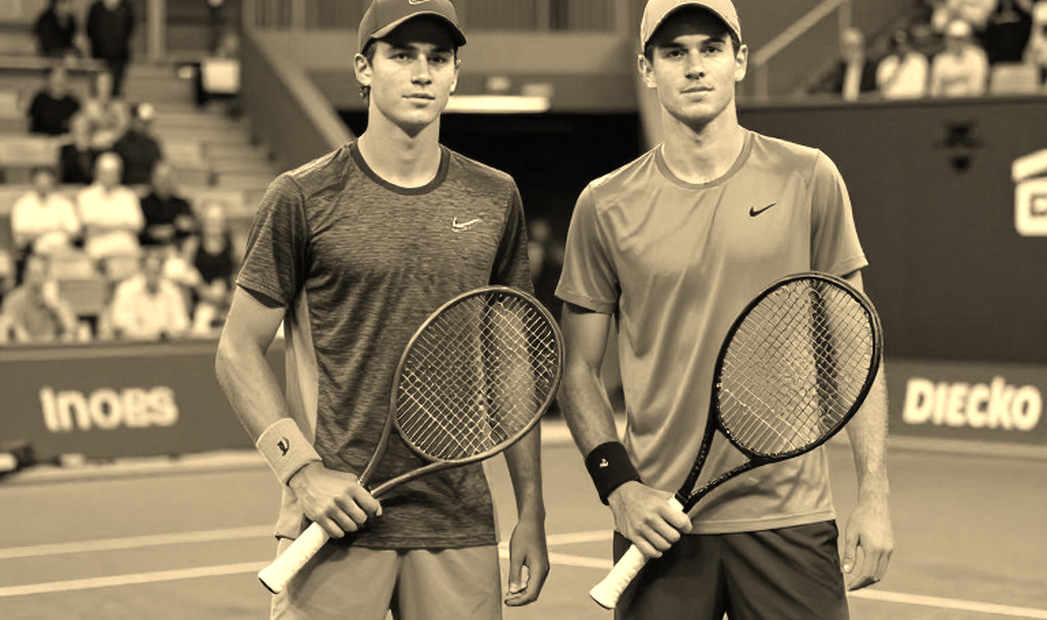
Someone in the Hang Day stand that night saw a football match. Someone doing data work saw a cost sheet.
What do those three bands say? They say a premium seat is treated as a luxury, luxurious enough for the state to tax it separately. The exemption on imported aircraft says the opposite: the state wants its own carrier to grow. Two policy signals inside a single document: open the door to infrastructure, close it on the premium consumer. Aviation tax policy across late-1990s Asia ran on exactly that logic.
For sport, the consequences are specific. National squads fly economy, so they do not pay those bands directly. Carriers do — and carriers set frequency, departure times and economy fares. When a government taxes a carrier's highest-margin cabin, the offset usually lands on the cheapest seats, or on routes with the least competition.
The data I held that year was thin: schedules from three carriers, expense records from two delegations, and the fares three federations paid to send teams away for training camps. Thin, but readable: travel cost erodes the preparation budget, not the competition budget.
"Before you trust a number, ask where it was born."
A note on sourcing. No tennis federation and no football federation stands behind the figures I just cited. Every tax figure comes from the Federal Board of Revenue, and I have no way to verify them beyond reading the document itself. In sports analysis, that kind of source needs cross-checking against at least two independent sources before it enters a conclusion. I had not done that.
"A season missing detail is like a match missing stoppage time."
The easiest explanation for the defeat at Hang Day is preparation. Singapore had a professional league; Vietnam did not. It sounds reasonable, and comfortable, because it turns one match into a system comparison.
But a final is a sample of size one. No control group, no confidence interval, no controlled variable.
Home advantage is a variable, and like every variable it carries error. The model I used in 2026 priced home advantage at roughly 0.4 goals per match. Thirty thousand spectators are a real weight. But that weight was never published with an error bar, and a scoreline is always published with a single number.

My point: linking an aviation tax in Islamabad to a defeat in Hanoi is a correlation, not yet a cause. The tax is real. Its effect on a final is something I have not measured.
Based on my experience tracking and logging matches, the signal worth following is not at Hang Day. It is in Bangkok, in December 2026, when Vietnamese sports delegations had to fund their flights in full for the thirteenth Asian Games. The current data is not enough to assert anything, but it is enough for me to record something to check: if the region's air infrastructure is priced through tax, who pays the difference for the teams?
"Data whispers. Whoever listens hears an entire match."